
Mobile App Design Service: Creative Guide and Professional Tips
Mobile App Design Service: Creative Guide and Professional Tips
Well-designed mobile apps generate 3.7x more revenue than poorly designed ones, yet 76% of app failures stem from design and user experience issues. Hiring the right mobile app design service isn’t a vanity decision — it’s the difference between user adoption and app store obscurity.
After leading design projects for 200+ mobile applications and consulting with teams spending $50,000 to $5 million on app design, I’ve identified the precise factors that separate award-winning designs from expensive disasters. A great mobile app design service isn’t about following trends or copying competitors — it’s about understanding users so deeply that every interface decision feels obvious and inevitable. The apps winning design awards and dominating their markets share specific principles that prioritize user needs over designer preferences.
Kreative Splash is a US-based mobile app design service with offices in Chicago and Wilmington, DE. We design custom mobile apps from $8,997 with UX research, design systems, and iOS + Android coverage baked in. Browse our portfolio for live design examples, or read on for the framework we apply to every project — whether you’re building a fitness tracker or hiring a real estate application development company.
The Mobile App Design Landscape in 2026
Modern mobile app design service work balances aesthetic appeal with functional efficiency, requiring deep understanding of user behavior and platform conventions. The trends shaping success this year:
- Minimalist interfaces reducing cognitive load and improving usability
- Gesture-based navigation replacing traditional button-heavy designs
- Dark mode optimization providing comfortable viewing across lighting conditions
- Accessibility-first design ensuring inclusive experiences for all users
- Micro-interactions adding delight without sacrificing performance
Apps using a professional mobile app design service see 40% higher user retention and 2.3x better conversion rates than DIY-designed alternatives.
Understanding Mobile App Design Services

A professional mobile app design service encompasses far more than visual aesthetics. It bundles user research, interaction design, and business strategy integration into one disciplined process. Skip the research phase and you’re paying for pretty pixels that don’t convert.
Comprehensive Design Service Components
User Experience (UX) Design:
- User research and persona development
- Information architecture and user flow mapping
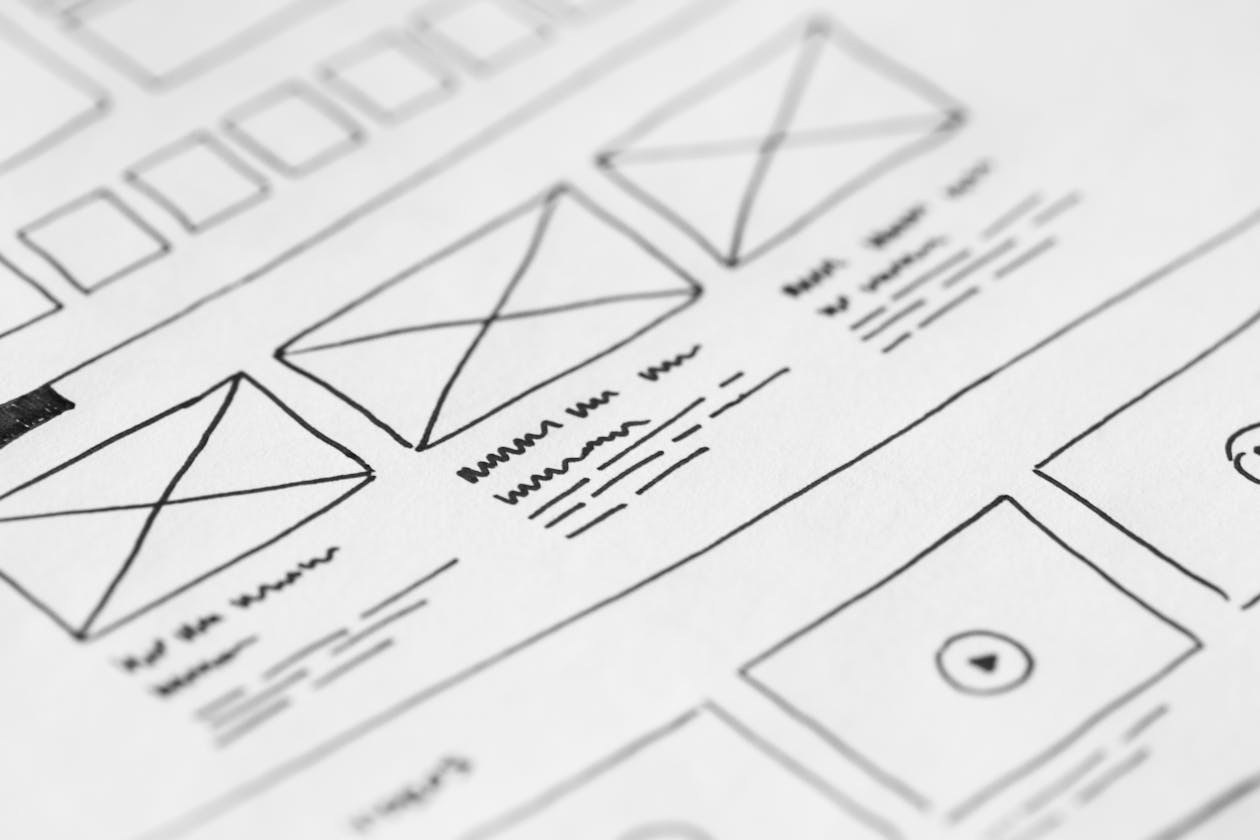
- Wireframing and interactive prototyping
- Usability testing and iteration
- Analytics implementation and optimization
User Interface (UI) Design:
- Visual design and brand integration
- Design system creation and maintenance
- Asset creation and optimization
- Animation design and micro-interactions
- Responsive design across device sizes
Service Delivery Models
- Full-service design agencies: end-to-end design and development
- Specialized design studios: focus exclusively on app design
- Freelance designers: individual expertise for specific projects
- In-house design teams: internal capabilities for ongoing projects
- Hybrid approaches: combination of internal and external resources
Design Service Investment Levels
Basic Design Services ($5,000 – $25,000): Template customization, standard UI components, basic user flows, simple animations, single platform focus.
Professional Design Services ($25,000 – $100,000): Custom user research, comprehensive wireframing and prototyping, original UI design with a design system, cross-platform consistency, usability testing iterations.
Premium Design Services ($100,000 – $500,000+): Extensive user research including ethnographic studies, advanced prototyping with complex interactions, comprehensive design systems, multi-device optimization (tablets + wearables), ongoing design support.
Our productized app development packages start at $8,997 and bundle the design phase with development — usually cheaper than hiring separate design and dev partners.
Kreative Splash designs AND builds custom mobile apps from $8,997 — or license a ready-made white-label hybrid app with the design already done.
User-Centered Design Process
A successful mobile app design service starts with deep user understanding rather than aesthetic preferences or technology capabilities. Here’s the process we apply to every engagement.
User Research and Discovery
Research methodologies:
- User interviews: in-depth conversations revealing motivations and pain points
- Surveys: quantitative data on user preferences and behaviors
- Observational studies: real-world usage patterns and contexts
- Competitive analysis: understanding market expectations and opportunities
- Analytics review: data-driven insights from existing apps or websites
Persona development creates primary, secondary, and negative personas — the third category prevents you from designing for users who’ll never convert. Persona work isn’t optional; it’s the foundation everything else builds on.
Information Architecture and Wireframing
- Card sorting: user-driven content categorization
- Site mapping: hierarchical organization of app content
- Navigation design: intuitive wayfinding through features
- Low-fidelity sketches for quick concept exploration
- Medium-fidelity wireframes with detailed layout (no visual design yet)
- Interactive prototypes for usability testing
- Annotation documentation for clean developer handoff
Platform-Specific Design Considerations

iOS and Android have distinct design philosophies. A good mobile app design service ships native-feeling designs for each platform — not a copy-paste that feels off on one or the other.
iOS Design Excellence
Human Interface Guidelines compliance: tab bars, navigation bars, modal presentations; San Francisco font with Dynamic Type support; system colors with accessibility considerations; consistent spacing grids; smooth meaningful motion.
iOS-specific features: Haptic Touch interactions, Face ID/Touch ID biometric auth, Siri Shortcuts integration, Apple Watch companion design, iPad optimization for larger screens.
Performance: 60fps animations, memory efficiency, battery preservation, network optimization, smart storage management.
Android Material Design
Material Design principles: Material You adaptive theming, consistent component library, meaningful motion, Roboto font with clear hierarchy, accessible color combinations.
Android-specific considerations: device fragmentation across screen sizes, navigation drawer pattern, floating action button for primary actions, deep system integration (notifications, widgets, shortcuts), adaptive icons.
Performance challenges: device diversity, memory management across hardware tiers, battery-conscious decisions, graceful degradation for poor connections, minimal app footprint.
Visual Design and Branding
Strong visual design creates emotional connections while maintaining functional clarity. This is where most mobile app design service engagements either deliver a brand-consistent experience or produce something that looks like a stock template.
Brand Integration Strategy
- Logo integration with appropriate sizing and placement across screens
- Color palette: primary, secondary, and accent color systems
- Typography balancing brand identity and readability
- Imagery style: photography and illustration guidelines
- Voice and tone: copy style and product personality
If your brand identity isn’t fully developed yet, we handle that too — see our 12 services which include brand identity and web design alongside the app design service.
Design System Development
Component libraries ensure long-term consistency — buttons, form elements, navigation components, cards, modal patterns — all documented in one source of truth.
Design tokens encode named colors, typography sizes/weights/line-heights, spacing systems, border-radius values, and shadow elevation so engineers and designers stay perfectly aligned.
Specialized App Category Design

Different app categories require different design approaches based on user expectations and industry standards. The vertical specialization matters: a generic mobile app design service won’t deliver the same value as one with vertical experience.
Real Estate Application Development
If you’re evaluating a real estate application development company, design considerations matter as much as engineering. Real estate apps face unique design challenges:
- Information density: presenting complex property data clearly
- Visual content: high-quality photography and virtual tours
- Search functionality: powerful filtering and discovery features
- Location integration: interactive maps and neighborhood data
- Trust building: professional appearance and credibility signals
UX priorities for real estate: intuitive property browsing, detailed property views, side-by-side comparison tools, saved searches with notifications, and frictionless agent contact flows. The best real estate application development company balances these UX demands with backend integration (MLS feeds, CRM systems, lead routing).
Kreative Splash builds custom real estate apps as part of our broader mobile app practice — contact us if you want a vertical-specific quote.
E-commerce App Design
- Product discovery with intuitive browsing and search
- Product details with comprehensive imagery and information
- Cart management: easy add/remove/modify flows
- Streamlined checkout reducing abandonment
- Trust signals: security badges, reviews, social proof
- One-click repeat purchasing for returning customers
Healthcare App Design
Medical app design has specific compliance and trust requirements — WCAG 2.1 AA accessibility, HIPAA-compliant design patterns, information clarity, emergency feature access, professional appearance. For deeper coverage, read our companion guide on what is an app medical.
Browse our portfolio for live app design across real estate, healthcare, e-commerce, fitness, and SaaS. Or see transparent design + dev pricing from $249 (web) to $25,997 (full app platform).
Accessibility and Inclusive Design
Accessible design isn’t optional — it’s essential for reaching all users and often required by law. Any serious mobile app design service ships WCAG 2.1 AA compliance as the baseline, not an afterthought.
Accessibility Standards Implementation
- WCAG 2.1 Level AA standards: minimum accessibility requirements
- Color contrast: 4.5:1 ratio for normal text, 3:1 for large text
- Focus indicators: clear navigation for keyboard users
- Alternative text: descriptions for images and icons
- Screen reader compatibility: proper semantic markup and labels
Platform Accessibility Features
- iOS VoiceOver: screen reader integration and testing
- Android TalkBack: accessibility service optimization
- Dynamic Type: text size adjustment support
- Reduced motion preferences respected
- High contrast: enhanced visibility options
Design Service Provider Selection

Choosing the right design partner determines project success, timeline, and long-term design system sustainability. Here’s the evaluation framework we recommend clients use — including when they’re evaluating us against competitors.
Portfolio and Process Evaluation
- Relevant experience in similar app categories and complexity
- Design quality: visual appeal and UX sophistication
- Case studies with detailed process and quantifiable outcomes
- Client diversity across different industries
- Systematic design process emphasizing user research and validation
- Communication style matching your collaboration preferences
- Quality assurance and testing procedures
Service Provider Types Compared
Full-service agencies ($50K-$500K+, 3-12 months): comprehensive capabilities, end-to-end coordination, team diversity, higher investment, longer timelines.
Specialized design studios ($25K-$150K, 6-16 weeks): deep design expertise, faster turnaround, cost efficiency, but require separate development partnership.
Freelance designers ($5K-$50K): budget-friendly, flexible engagement, personal attention, but limited by single-person capacity.
Kreative Splash sits in the productized-agency category — we bundle the design phase and development phase under transparent package pricing, so you don’t pay agency premiums OR juggle multiple vendors.
Design Implementation Strategy
Transform design concepts into successful mobile app experiences through a systematic 4-phase execution we’ve used on 100+ projects:
Phase-by-Phase Roadmap
Phase 1 — Research and Planning (Weeks 1-3): user research, persona development, information architecture, design brief creation, tool setup.
Phase 2 — Design Development (Weeks 4-8): wireframing, visual design, component library, interactive prototyping, design system documentation.
Phase 3 — Validation and Refinement (Weeks 9-10): usability testing, design iteration, accessibility audit, stakeholder review, development handoff prep.
Phase 4 — Implementation Support (Weeks 11-16): developer collaboration, design QA, asset preparation, launch readiness, app store assets, post-launch optimization.
Take our free 8-question growth audit for an honest recommendation, or book a 30-minute call. We'll tell you exactly what your project needs — and won't sell you services you don't.
The Bottom Line
A professional mobile app design service creates the foundation for user adoption, engagement, and long-term success. Poorly designed apps fail regardless of their technical capabilities or marketing budgets.
Design investment principles:
- User research drives decisions more than aesthetic preferences
- Platform conventions should be followed unless there’s a compelling reason to deviate
- Accessibility isn’t optional — and benefits all users, not just those with disabilities
- Design systems ensure consistency and scalability as your app grows
- Testing validates assumptions and prevents costly design mistakes
Service selection factors: portfolio relevance to your category, process methodology emphasizing research, team expertise across UX/UI/platform, communication style fit, and budget alignment with quality expectations.
The most successful mobile apps aren’t necessarily the most innovative — they’re the ones that understand their users deeply and create interfaces that feel intuitive, accessible, and delightful.
Your next steps: Browse our 12 services to see what fits, review transparent pricing, or read companion guides on how to make money off mobile apps and medical app design. More app design and strategy guides on our blog.
Invest in user research, follow platform conventions, prioritize accessibility, and test continuously to create mobile app designs that users love and businesses depend on.